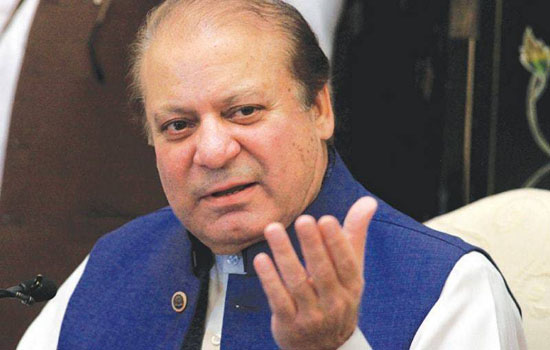
For decades, UrduVoz has stood among platforms where Pakistani and South Asian audiences followed televised talk shows, political debates, and celebrity panel discussions that shaped public conversation. These programmes built trust through familiar hosts, recurring guest formats, and the rhythm of studio dialogue that millions relied upon for interpreting current events. The talk show ecosystem on channels across Pakistan and India created a shared cultural vocabulary around scrutiny, opinion, and accountability that extended far beyond entertainment into civic awareness. As digital consumption replaces scheduled television for younger demographics, that same audience carries expectations formed in studio settings into every online experience they encounter. Understanding how panel-show psychology intersects with platform evaluation offers a lens that conventional gaming reviews rarely address.
The Indian digital entertainment market illustrates this transition vividly. Viewers who grew up watching programmes such as The Kapil Sharma Show, Koffee With Karan, or nightly news panels on Republic and Aaj Tak learned to assess credibility through presenter tone, guest credentials, and the structure of cross-examination. Those habits now influence how the same demographics approach online casinos, sportsbooks, and interactive gaming environments across smartphones and tablets. When a platform claims transparency, users unconsciously apply frameworks borrowed from broadcast media: Does leadership appear accountable? Are terms explained clearly? Does the interface invite questioning or discourage it? These cognitive patterns matter because India's online gaming segment continues expanding despite fragmented state-level regulation, making informed platform literacy increasingly important for consumers navigating licensed offshore operators and domestically permitted categories.
Researchers studying media effects note that repeated exposure to debate formats trains audiences to seek opposing viewpoints before forming conclusions. That analytical impulse now extends into commercial digital categories where entertainment and wagering converge across India's rapidly digitising population. Indian users evaluating online platforms routinely compare licensing disclosures, provably fair algorithms, payment reliability, and withdrawal processing windows with the same intensity once reserved for dissecting a politician's studio performance. Consumer surveys across Mumbai, Delhi, and Bangalore consistently show that participants rank operator transparency above promotional bonuses when selecting digital entertainment providers. Payment ecosystems familiar to Indian users—UPI transfers, net banking, and digital wallets—function as practical trust signals comparable to a broadcaster's verified credentials. Mobile-first design expectations, shaped by years of consuming short-form clips from talk show highlights on YouTube and Instagram, further influence how quickly users abandon platforms that feel outdated or deliberately confusing. Within this competitive ecosystem, established operators including those reachable via winum casino online illustrate how digital gaming brands must satisfy skepticism built over years of televised scrutiny. Trust accumulates through verifiable actions rather than promotional claims—a lesson Indian talk show audiences internalised long before online casinos entered mainstream conversation.
Talk show production follows deliberate structural principles. Hosts control pacing, producers select contrasting guests, and segment transitions create narrative arcs that keep viewers engaged through commercial breaks. Indian audiences recognise these patterns instinctively. A panel where every participant agrees feels staged; a debate with genuine friction feels authentic. Digital entertainment platforms trigger parallel instincts. Users gravitate toward operators that present clear terms, visible licensing information, and interfaces that do not obscure critical details behind layers of navigation.
Behavioural economists describe this as the transparency heuristic: consumers treat visible openness as a proxy for overall reliability. Talk shows that display fact-checking segments, audience Q&A sessions, and on-screen citations reinforce this heuristic. Online casino platforms that publish return-to-player percentages, independent audit reports, and responsible gaming controls activate the same mental shortcuts. The overlap is not coincidental—it reflects how Indian media literacy evolved alongside rapid smartphone adoption during the 2010s and 2020s.
Television networks measure success through TRP ratings, social media mentions, and viewer retention across time slots. Digital gaming operators track session duration, deposit frequency, game variety usage, and customer support response times. Both industries compete for leisure hours among overlapping demographic segments, particularly urban Indians aged twenty-five to forty-five who consume content primarily through mobile devices.
UrduVoz readers familiar with Pakistani current affairs programming will recognise parallel dynamics. Shows featuring hosts like Hamid Mir or Shahzeb Khanzada built loyal followings through predictable scheduling and substantive guest lineups. Digital platforms attempting similar loyalty must deliver comparable consistency in payouts, game availability, and account security.
India's approach to online gaming remains geographically uneven. States such as Tamil Nadu and Karnataka have attempted outright bans on certain categories, while others permit skill-based formats under specific conditions. The Public Gambling Act of 1867, predating the internet by more than a century, creates interpretive gaps that courts continue addressing through case-by-case rulings. For consumers, this ambiguity elevates the importance of personal due diligence.
Talk show segments covering policy debates have played an unexpected role in public education. When legal experts appear on panels to explain Supreme Court judgments related to gaming taxation or state legislative powers, viewers gain vocabulary for evaluating platform legitimacy. That knowledge transfers directly when comparing international operators serving Indian customers through offshore licensing frameworks in jurisdictions such as Curacao or Malta.
The following comparison highlights how entities across talk show production and online casino operation establish credibility with Indian audiences. Neither column represents superiority; both reflect distinct trust-building mechanisms within entertainment ecosystems.
| Trust Dimension | Talk Show Indicators | Online Casino Indicators |
|---|---|---|
| Authority Verification | Guest credentials, institutional affiliations | Gaming licence numbers, regulator seals |
| Transparency Practices | On-screen sourcing, correction policies | Published RTP rates, audit certificates |
| Audience Protection | Content warnings, watershed scheduling | Deposit limits, self-exclusion tools |
| Financial Reliability | Advertiser disclosure, sponsorship labels | Withdrawal timelines, payment method variety |
| Technical Performance | Broadcast quality, minimal technical failures | Mobile optimisation, encryption standards |
| Accountability Mechanisms | Viewer feedback segments, social media response | Live chat support, dispute resolution processes |
Indian consumers increasingly apply cross-domain evaluation criteria. A viewer who dismisses a talk show for opaque funding sources will apply identical skepticism toward gaming platforms lacking clear ownership disclosure. This convergence raises standards across both industries and rewards operators who invest in demonstrable trust infrastructure.
India's Unified Payments Interface transformed how audiences transact digitally. UPI processed billions of monthly transactions by 2025, embedding instant transfers into everyday habits. Talk show sponsors frequently promote fintech brands during commercial breaks, normalising digital payments among viewers who previously relied on cash. Online casino platforms serving Indian markets adapt by supporting UPI where permitted, alongside net banking, debit cards, and cryptocurrency options on select operators.
Withdrawal reliability functions as a decisive trust signal. Delayed payouts generate negative word-of-mouth comparable to a talk show scandal. Platforms including Winum and comparable international brands compete partly on processing speed, fee transparency, and verification procedures that balance security with user convenience. First-time depositors often start with minimal amounts, mirroring how casual viewers sample new programmes before committing to regular viewing.
Modern talk shows integrate live social media feeds, audience polling, and real-time graphics that respond to trending topics. Online casinos deploy HTML5 game engines, live dealer streaming, and random number generators certified by independent testing laboratories. Both require substantial backend investment to deliver frictionless experiences on variable Indian network conditions ranging from metropolitan 5G to rural 4G connections.
Latency affects perception in both domains. A delayed satellite feed frustrates television viewers; a lagging slot animation undermines confidence in game fairness. Operators prioritising server locations near Indian subcontinent data centres and content delivery networks demonstrate technical seriousness that discerning users notice immediately.
Indian talk show history includes memorable controversies that permanently altered host reputations and channel trajectories. Celebrity guest appearances drive viewership spikes but carry reputational risk when scandals emerge. Online gaming brands face parallel dynamics through ambassador partnerships and sponsorship deals during cricket tournaments or entertainment awards.
UrduVoz's editorial heritage covering Pakistani political talk shows provides additional context. Programmes navigating censorship pressures, guest walkouts, and social media backlash demonstrate how quickly audience trust erodes when perceived authenticity collapses. Gaming operators experiencing payment disputes or unfair practice allegations encounter identical reputation cycles compressed into hours rather than weeks due to viral sharing on platforms like X and WhatsApp.
Talk show audiences consuming economic or policy discussions gradually absorb statistical reasoning. Panelists citing inflation figures, employment data, or election projections train viewers to think probabilistically rather than in absolutes. This cognitive foundation supports healthier engagement with games of chance where house edges and variance determine long-term outcomes.
Understanding return-to-player percentages, volatility levels, and bankroll management principles separates informed participants from impulsive spenders. Educational content—whether delivered through studio segments featuring financial advisors or platform help centres explaining game mechanics—serves identical public interest functions. Indian regulators and advocacy groups increasingly emphasise financial literacy as online entertainment options multiply.
Online casino activity carries inherent financial risk that no platform can eliminate. Participants must be at least eighteen years of age, though some jurisdictions require twenty-one. Indian state laws vary significantly; users bear responsibility for verifying local regulations before creating accounts on any international operator.
Responsible gaming practices recommended across the industry include:
Talk show producers occasionally address addiction themes through dramatised storylines or expert interviews, contributing to broader societal conversations about balanced leisure consumption. Digital platforms implementing reality checks, session timers, and cooling-off periods extend those protections into interactive environments where impulsive decisions occur more readily than in passive viewing contexts.
India's entertainment industry continues fragmenting across streaming services, short-form video applications, podcast networks, and interactive gaming platforms. Talk shows remain influential but no longer monopolise evening attention the way they did during the dominance of Doordarshan and early private satellite channels. Younger demographics multitask across devices, watching panel clips on YouTube while simultaneously browsing gaming applications.
Industry analysts project sustained growth in India's digital gaming revenue driven by smartphone penetration, affordable data plans, and rising disposable income among urban middle-class households. Operators investing in localised Hindi and English interfaces, culturally relevant game themes, and customer support during Indian business hours position themselves favourably within this expanding market. The convergence of media habits ensures that audiences evaluating new platforms will continue applying scrutiny standards honed through decades of televised debate.
Decades of panel programming trained audiences to evaluate credibility through presenter accountability, guest verification, and transparent sourcing. Those mental models transfer naturally when assessing digital platforms where financial stakes replace passive viewership.
Because gambling laws differ across states, Indian users must research local restrictions independently. Platforms operating under international licences serve customers globally, but individual legal responsibility remains with the participant based on their jurisdiction.
UPI dominates everyday transactions for many urban Indians, followed by net banking and digital wallets. Gaming platforms supporting familiar payment rails reduce friction and signal market understanding of local preferences.
Audiences accustomed to statistical discussion and sceptical analysis tend to approach games of chance with better understanding of probability and house advantages, supporting more measured participation patterns.
India is predominantly a mobile-first market. Platforms delivering smooth smartphone experiences without excessive data consumption demonstrate technical competence that users associate with overall operational reliability.
Delayed or opaque payout procedures generate rapid negative feedback through social networks. Consistent, transparent withdrawal policies function as practical trust signals comparable to a broadcaster honouring its programming commitments.
UrduVoz continues serving audiences who value substantive talk show coverage and political discourse while expanding editorial scope to address how traditional media consumption patterns intersect with emerging digital entertainment categories relevant to South Asian readers.
The journey from studio panel discussions to interactive digital platforms represents more than technological change. It reflects shifting expectations about transparency, accountability, and user empowerment among Indian entertainment consumers. Talk show formats taught millions to question, compare, and verify before accepting claims at face value. Those skills remain essential as online casino and broader iGaming options proliferate across app stores and mobile browsers.
Platforms that respect this evolved audience intelligence—through clear licensing, robust security, responsible gaming tools, and reliable financial operations—align with standards UrduVoz readers have long applied to broadcast media. Whether evaluating a political guest's argument or comparing digital entertainment providers, informed scrutiny remains the most reliable guide through an increasingly complex leisure landscape.